Top Branding Mistakes Small Businesses Make (And How to Avoid Them)
Strong branding can help a small business look professional, attract the right customers, and stand out in competitive markets. But many small business owners unintentionally make branding mistakes that weaken their image, confuse customers, or prevent their brand from growing.
The good news? Most branding mistakes are easy to avoid — once you know what they are.
This guide covers the most common branding mistakes small businesses make and exactly how you can avoid them to build a strong, memorable brand.
1. Not Having a Clear Brand Identity
Many businesses skip defining their brand identity and jump straight into designing a logo or website.
This leads to:
-
Confusing visuals
-
Inconsistent messaging
-
An unclear brand personality
How to avoid it:
Define your:
-
Mission
-
Values
-
Target audience
-
Tone of voice
-
Visual style
Once these are clear, your visuals and branding will align naturally.
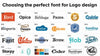
2. Using a Low-Quality or Generic Logo
One of the biggest branding mistakes small businesses make is choosing:
-
Free online logo generators
-
Generic clipart
-
Random icons
-
Non-scalable designs
A weak logo makes your entire brand look unprofessional.
How to avoid it:
Use a professional, editable logo template that:
✔ Has strong typography
✔ Uses clean shapes
✔ Is industry-appropriate
✔ Includes proper file formats
3. Inconsistent Use of Colors and Fonts
Inconsistency is the enemy of brand recognition.
Common issues:
-
Using different fonts everywhere
-
Changing colors on every platform
-
Mixing unaligned design styles
How to avoid it:
Stick to:
-
1 brand color palette
-
1–2 fonts only
-
A consistent visual style across platforms
Create a simple mini brand guide and follow it faithfully.
4. Overcomplicating the Logo
Small businesses often think “more is better,” leading to logos that are:
-
Too detailed
-
Hard to read
-
Filled with unnecessary graphics
-
Not scalable
How to avoid it:
Keep your logo simple.
Simple logos are:
✔ Memorable
✔ Scalable
✔ Clear
✔ Professional
Minimalism wins every time.
5. Copying Competitors Instead of Differentiating
Looking at competitors is smart — copying them is not.
Copying leads to:
-
Weak identity
-
No brand personality
-
Confusion among customers
How to avoid it:
Study your niche, but choose a style that feels uniquely yours.
6. Not Considering Long-Term Branding Needs
Many entrepreneurs design logos only for Instagram, forgetting other needs like:
-
Packaging
-
Labels
-
Print material
-
Email marketing
-
Signboards
How to avoid it:
Choose a scalable logo that works in:
-
Small sizes
-
Large formats
-
Light & dark backgrounds
-
Social media
-
Packaging
A versatile template solves this instantly.
7. Branding That Does Not Match the Target Audience
Your branding must speak the language of your customers.
For example:
-
Luxury buyers dislike bright neon branding
-
Wellness buyers prefer calming, earthy visuals
-
Tech buyers want modern, clean designs
How to avoid it:
Match your logo and colors to the expectations of your industry and audience.
8. Changing Branding Too Often
Rebranding too frequently confuses customers and destroys recognition.
How to avoid it:
Choose a timeless, professional design from the start — not a trendy one that will look outdated in 6 months.
9. Poor Quality Visual Content on Social Media
Your logo may be great, but poor content can damage your brand.
Mistakes include:
-
Low-quality images
-
Messy layouts
-
Inconsistent templates
-
Clashing colors
How to avoid it:
Use branded templates that match your logo’s:
-
Colors
-
Fonts
-
Shapes
-
Style
Consistency creates trust.
10. Not Using the Logo Everywhere Consistently
Some businesses use their logo on:
-
Social media
But forget to use it on: -
Packaging
-
Receipts
-
Website
-
Emails
-
Flyers
-
Shipping materials
How to avoid it:
Add your logo to all customer touchpoints.
Repetition builds recognition.
Final Thoughts
Branding isn’t just about having a nice logo — it’s about creating a consistent, professional, and clear identity everywhere your audience sees you. By avoiding these mistakes, you can build a brand that looks polished, trustworthy, and ready to grow.